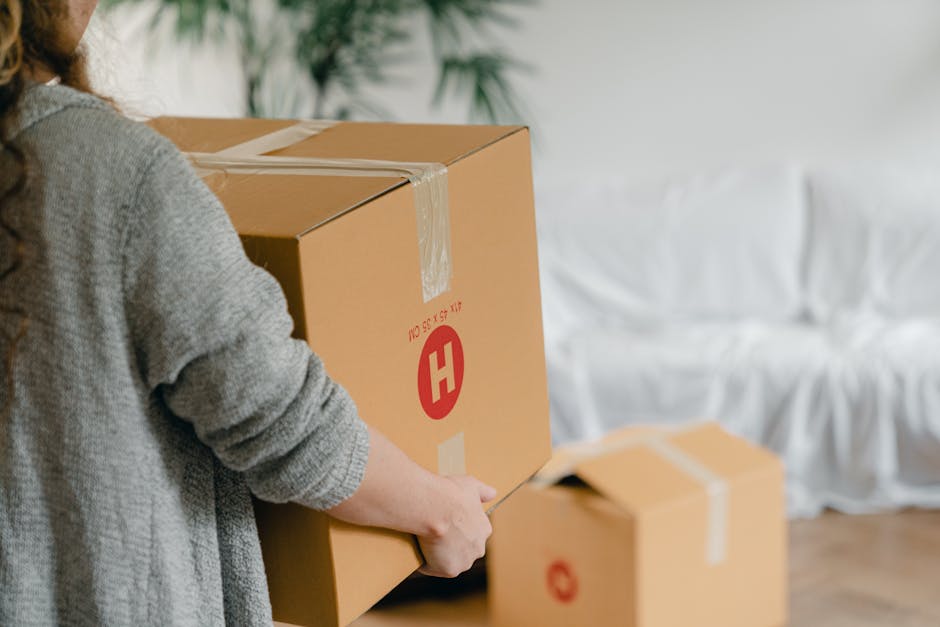
Quick Checklist for Moving Elderly or Vulnerable UK Residents

Moving house is stressful at the best of times. When the person moving is older, frail, living with dementia, has mobility issues, or simply needs a gentler pace, the stakes rise quickly. Small oversights can turn into real problems: missed medication, unsafe lifting, confusion on moving day, or a room layout that makes the new home harder to use than the old one.
This guide gives you a practical Quick Checklist for Moving Elderly or Vulnerable UK Residents that you can use whether you are arranging a family move, supporting a client, or coordinating professional help. It focuses on what matters most: safety, dignity, continuity of care, and a calmer move overall. If you need support with the move itself, services such as home moves, packing and unpacking services, or a carefully planned man and van service can make the process much more manageable.
Truth be told, the best moves for vulnerable residents are not the fastest ones. They are the ones that feel steady, organised, and respectful. That is what this article is built to help you do.
- Why this checklist matters
- How the checklist works
- Key benefits and practical advantages
- Who this is for and when it makes sense
- Step-by-step guidance
- Expert tips for better results
- Common mistakes to avoid
- Tools, resources and recommendations
- Law, compliance, standards, and best practice
- Options, methods, and comparison table
- Case study or real-world example
- Practical checklist
- Conclusion
- Frequently asked questions
Why Quick Checklist for Moving Elderly or Vulnerable UK Residents Matters
A move can be disorienting for anyone. For an elderly or vulnerable person, it can also disrupt routine, increase anxiety, and create avoidable risks. That is why a short, structured checklist matters so much: it reduces decision fatigue and helps everyone focus on the essentials.
The main challenge is not just transporting belongings. It is protecting wellbeing during a period of change. That includes making sure medication is accessible, mobility aids are not lost, the new address is set up correctly, and the person knows what will happen next. Even a familiar kettle or armchair can make a new place feel less intimidating.
Families often underestimate the mental load of a move. A person who is already coping with frailty, memory issues, bereavement, or limited mobility may struggle with rushed decisions and busy environments. A clear moving plan can prevent those pressure points from building up.
In practical terms, this kind of checklist also helps coordinate with removals teams, carers, neighbours, landlords, and health professionals. If you are planning a residential move and want a more service-led approach, it may help to compare house removalists and broader moving home support options so the physical move matches the person's needs rather than the other way around.
How Quick Checklist for Moving Elderly or Vulnerable UK Residents Works
The checklist works by breaking the move into small, manageable stages: before moving day, on the day itself, and after arrival. That approach is especially helpful when the person involved needs a slower pace or extra reassurance.
At its simplest, the process is this:
- Identify health, mobility, and communication needs early.
- Sort possessions into what is staying, going, donated, recycled, or stored.
- Confirm transport, access, timing, and support on moving day.
- Prepare the new home so the person can settle safely.
- Check the first 24 to 72 hours for practical gaps: medication, heating, keys, food, and personal items.
That sounds straightforward, but the value is in the detail. For example, if someone uses a walking frame, the new property should be assessed for step access, bathroom layout, and clear walking routes before the boxes arrive. If someone becomes unsettled by noise, it may be better to stagger the move and keep one quiet room ready first.
Professional help can be tailored too. A flexible man with van option may suit smaller moves or careful transport of key items, while packing and unpacking services can reduce the burden on relatives who are already managing appointments, care arrangements, or emotional stress.
Key Benefits and Practical Advantages
A good checklist does more than keep you organised. It improves the quality of the move itself.
- Less stress for the resident: Predictability makes change easier to process.
- Lower risk of injury: Careful planning reduces lifting, clutter, and trip hazards.
- Better continuity of care: Important items and contacts are easier to track.
- Fewer missed details: Utility transfers, keys, medication, and documentation stay visible.
- More dignity and control: The person feels involved rather than moved around.
- Smoother coordination: Family members and movers know who is doing what.
There is also a financial advantage, even if it is not immediately obvious. Careful planning can reduce the number of unnecessary trips, cut down on rushed packing, and help you choose the right type of vehicle or team first time. A well-matched service is usually better value than a cheap service that creates problems later. If you are comparing options, the site's pricing and quotes page is a sensible place to start.
One overlooked benefit is emotional. Many older people worry that a move means losing control of their surroundings. A checklist, used properly, gives them visible milestones. That sense of progress matters.
Who This Is For and When It Makes Sense
This checklist is designed for a wide range of situations, not just traditional house moves. It is relevant whenever a move could be physically difficult, emotionally sensitive, or medically more complex than usual.
It is particularly useful for:
- older adults downsizing or moving closer to family
- people returning home after hospital treatment
- residents with dementia or cognitive decline
- people with mobility impairments, chronic pain, or low stamina
- adults receiving social care or informal family support
- family members coordinating a move on someone else's behalf
- solicitors, carers, housing teams, or support workers involved in a relocation
It also makes sense in urgent situations, such as a sudden property sale, a landlord ending a tenancy, or a move prompted by care needs. In those cases, the checklist becomes even more valuable because time pressure increases the chance of mistakes.
If the move involves extra large items, furniture to be removed, or a partial clearance before the move, it can help to look at services like furniture pick up or even recycling and sustainability support so the home does not become cluttered with things nobody needs.
Step-by-Step Guidance
Below is a practical way to handle the move without turning it into a marathon.
1. Start with the person, not the boxes
Before sorting anything, understand what the resident needs to feel safe. Ask about mobility, pain, memory, anxiety, hearing, vision, and daily routines. This tells you whether the move needs one day or several, whether a ground-floor room is needed first, and whether certain items must be kept close.
Example: if the resident has evening confusion, keep their bedding, toiletries, lighting, and familiar chair accessible on arrival. That is more useful than having every kitchen item unpacked on day one.
2. Confirm the new property works for them
Check access, stairs, door widths, bathroom layout, heating controls, and where the bed will go. If there is any doubt, measure first. A new home that looks fine in photos can still be awkward for a walking frame or wheelchair.
If needed, arrange minor adjustments early: grab rails, non-slip mats, bedside lighting, or a rearranged lounge that reduces unnecessary walking.
3. Keep essential items separate
Pack a clearly labelled essentials bag or box that travels with the resident, not in the moving van. Include medication, glasses, charger, hearing aid supplies, ID, keys, snacks, a list of emergency contacts, and one change of clothes.
That one box can save a very long evening.
4. Sort belongings with care and patience
For vulnerable residents, sorting possessions can be emotionally loaded. Avoid pressure. Let them choose what stays nearby, what is stored, and what can be passed on. Familiar objects often help people settle: framed photos, a favourite mug, a blanket, or a radio they use every day.
At this stage, a professional packing team can be useful because it keeps the pace steady and reduces strain on family members. If you need hands-on support, the packing and unpacking services page is worth reviewing.
5. Plan the moving day around comfort and access
Choose a time of day when the resident is usually at their best. For many people, mornings are easier than late afternoons. Keep seating available, offer regular breaks, and avoid crowding the space with too many people at once.
Make sure the route from the old home to the vehicle is clear. If access is tight, a smaller vehicle or a different loading plan may be more practical than forcing a larger truck into a difficult space. Depending on the move size, a moving truck or removal truck hire arrangement may be the right fit.
6. Set up the new home before the resident arrives, if possible
When someone vulnerable walks into a new property, the first impression matters. Try to have the bed made, lighting on, kettle ready, and bathroom accessible. A few familiar objects in sight can make the space feel less clinical and more theirs.
In many cases, the simplest setup is the best setup: bed, chair, lamp, medication, water, and a clear path to the bathroom. You can refine the rest later.
7. Check the first evening and following morning
Moving day does not end when the van leaves. Check whether the resident can find essentials, manage the bathroom safely, operate heating or call systems, and rest comfortably. Confirm food, prescriptions, and next-day support are in place.
If the move was especially complex, keep a list of who to contact if a problem appears the following day. Calm follow-through is often the difference between a decent move and a difficult one.
Expert Tips for Better Results
Small choices make a big difference in vulnerable moves. Here are the ones worth prioritising.
- Use one person as the coordinator. Too many helpers can create confusion. A single point of contact keeps decisions clear.
- Label by room and priority. Mark items as "open first", "medication", "bedroom", or "do not unpack without asking".
- Take photos before dismantling furniture. This helps with reassembly and avoids guesswork later.
- Keep noise and traffic low. People with dementia or anxiety often cope better with fewer moving parts around them.
- Plan for pets as well. Pets can be calming, but they can also make a busy move more stressful if not managed carefully.
- Use a backup plan for keys and documents. It sounds basic, but lost keys on moving day are nobody's idea of progress.
One understated tip: if the resident is very attached to a particular chair, table, or bedside lamp, move those items first. The room then starts to feel recognisable, which can ease the whole transition.
For sensitive or larger home moves, it can also help to speak with the team early through the contact us page so the move plan reflects access needs rather than a one-size-fits-all schedule.
Common Mistakes to Avoid
Many problems in vulnerable moves are predictable. The good news is that most of them are avoidable.
- Leaving planning too late: This creates rushed decisions and unnecessary risk.
- Forgetting essential medication or paperwork: The first 24 hours matter most.
- Assuming the new property is automatically suitable: Always check access and layout.
- Overpacking the resident's belongings: Too much clutter makes settling in harder.
- Not explaining the plan to the resident: Even brief, repeated explanations help reduce anxiety.
- Using the wrong size of vehicle or team: That can turn a manageable move into a long, tiring day.
- Ignoring aftercare: Once the boxes are in, there is still a settling-in period to manage.
A common mistake is trying to make everything perfect before the move happens. That is rarely realistic. Aim for safe, functional, and calm. Perfection is overrated; settled and secure is what counts.
Tools, Resources and Recommendations
A few simple tools can make the moving process much easier.
- Room-by-room labels: Stickers or large marker pens help everyone see where things belong.
- Medication list: Keep an up-to-date written list in case something is misplaced.
- Emergency contact sheet: Include family, GP practice, carers, neighbour support, and relevant building contacts.
- Basic moving kit: Tape, scissors, bin bags, wipes, kettle, torch, chargers, and spare batteries.
- Notes for accessibility needs: Useful if a resident has sensory sensitivities, memory issues, or limited strength.
On the service side, the most relevant support usually falls into three categories: hands-on packing help, transport support, and trust/safety assurance. If you want to compare service levels, look at house removalists for full-service support, man and van for smaller or more flexible moves, and insurance and safety information to understand how protection is handled.
For residents who are moving on a budget or replacing bulky items at the same time, it may also be helpful to review pricing and quotes carefully so there are no surprises around scope, loading, or extra stops.
Law, Compliance, Standards, or Best Practice
This kind of move can touch on several practical responsibilities, even if it is not a highly regulated project. The exact legal position depends on the circumstances, but the following best-practice points are widely relevant in the UK.
Capacity and consent: If the resident can make decisions, involve them directly. If capacity is in question, follow appropriate legal and care-related processes rather than assuming family members can simply decide everything. Keep records of decisions, preferences, and any support arrangements.
Health and safety: Clear paths, safe lifting, proper packing, and controlled loading matter. Moving heavy items without planning is one of the easiest ways to create injury risk. A reputable removals provider should be able to explain how it handles safe handling and equipment use. The site's health and safety policy and insurance and safety information are the right kind of pages to review before booking.
Data and privacy: If you are handling personal documents, medical information, keys, or care details, keep them secure and only share what is necessary. This is especially important when multiple relatives, carers, or outside contractors are involved.
Accessibility: The new home should be approached through an accessibility lens, not just a logistics lens. Small changes, such as a more suitable bed location or better lighting, can reduce risk significantly.
Responsible disposal: If items are being removed, donated, or recycled, use a reputable provider and make sure any disposal is lawful and appropriate. The recycling and sustainability page is useful for understanding how unwanted items can be handled more responsibly.
If you are unsure about a legal or care-related issue, it is sensible to seek the right professional advice rather than guessing. That is especially true when the move is linked to declining health, safeguarding concerns, or property decisions being made under pressure.
Options, Methods, or Comparison Table
Different move types suit different needs. The right choice depends on distance, volume, vulnerability, and how much hands-on help is required.
| Option | Best for | Strengths | Limitations |
|---|---|---|---|
| Full home removals service | Larger or more complex moves | Most support, less strain on family, easier coordination | Usually the most involved option |
| Man and van | Smaller moves or partial loads | Flexible, practical, often quicker to arrange | May require more input from the family or resident |
| Packing and unpacking support | When time, strength, or dexterity is limited | Reduces physical effort and helps maintain order | Works best as part of a wider plan |
| Truck hire with self-managed loading | Experienced organisers with helpers on site | Can suit tightly controlled moves | More demanding, less suitable for vulnerable residents |
For most elderly or vulnerable residents, the safest route is usually the one with the least physical strain and the clearest support structure. That does not always mean the most expensive option, but it usually does mean prioritising reliability over speed.
If you are comparing service models, a careful review of moving truck options and removal truck hire can help you understand which approach fits the practical realities of the move.
Case Study or Real-World Example
Consider a typical scenario. An older resident is moving from a long-time two-bedroom flat to a bungalow near family. They are independent but tire easily, and they become anxious when rooms are cluttered or noisy.
The family decides not to treat it like a standard Saturday move. Instead, they build a short plan:
- the resident chooses the items that matter most
- medication, glasses, and documents go in a separate bag
- the new bungalow is checked for step access and bathroom layout
- the bed, lamp, kettle, and favourite chair are set up first
- a small moving team handles transport while relatives focus on reassurance
What changed the outcome was not just the removals support. It was the order of operations. The resident arrived to a room that already looked familiar. The first cup of tea happened quickly. The remaining boxes waited until the next day, which reduced pressure on everyone.
That is often the real goal with vulnerable moves: less drama, more function. A calm home environment on day one is worth a great deal.
Practical Checklist
Use this as a quick pre-move and moving-day checklist. You can print it, share it, or keep it on your phone.
- Resident needs confirmed: mobility, memory, vision, hearing, pain, anxiety, and routine
- New property checked: access, stairs, bathroom, bedroom, heating, lighting
- Essential items packed separately: medication, ID, keys, charger, glasses, contacts list
- Favourite items set aside: blanket, chair, photos, radio, familiar mug
- Utilities and access prepared: electricity, water, heating, keys, alarm codes if relevant
- Moving team briefed: special care instructions, timing, parking, access, fragile items
- Room plan ready: bed first, seating first, safe walking route first
- Food and drink available: especially for the first afternoon and evening
- Contacts written down: family, carers, GP, building management, emergency numbers
- Unwanted items removed responsibly: donated, recycled, or collected appropriately
- Aftercare arranged: follow-up call, next-day check, missing items list
- Documents stored safely: tenancy, sale, care, insurance, and moving paperwork
Expert summary: The safest vulnerable move is usually the one that protects routine first, transport second, and unpacking last. Keep the resident's comfort visible at every stage, and the logistics become much easier to manage.
Conclusion
Moving an elderly or vulnerable resident is not just a logistics exercise. It is a care task, a communication task, and a trust task all at once. The best results come from early planning, simple systems, careful pacing, and respect for the person at the centre of the move.
If you keep the checklist focused on safety, essentials, familiar items, and a sensible first-night setup, you will avoid most of the problems that make these moves difficult. And if you need practical support, the right service can make a meaningful difference. A well-handled move should leave the resident feeling supported, not overwhelmed.
Get a free quote today and see how much you can save.
For next steps, you may also want to review about us to understand the company background, or head straight to contact us if you are ready to discuss a move that needs a careful, human approach.
Frequently Asked Questions
What should be packed first for an elderly move?
Pack essentials first: medication, ID, glasses, chargers, key documents, a change of clothes, and a few comfort items. These should travel with the resident rather than in the main van load.
How do you make moving day less stressful for a vulnerable person?
Keep the day predictable, reduce noise, avoid too many helpers at once, and set up the bedroom and bathroom early. Simple reassurance and familiar objects can make a big difference.
Should I use a full removals service or a man and van?
It depends on the size of the move and how much help is needed. For larger, more delicate, or more emotionally sensitive moves, a fuller service is often easier. For smaller loads, a flexible van service may be enough.
How far in advance should I plan the move?
As early as possible. More time means less rushing, better sorting, and a better chance to make the new property safe and comfortable before moving day.
What if the person has dementia?
Keep communication simple, stick to routines where possible, and reduce change on the day. Familiar furniture, photos, and a calm room layout can help the new environment feel less confusing.
Do I need to clear the whole house before the move?
Not necessarily. In many cases, it is better to focus on the resident's immediate needs first and deal with surplus items separately through donation, storage, or responsible disposal.
How do I choose what furniture should go first?
Start with the items that affect safety and comfort: bed, chair, table, lamp, and anything needed for routine care. Items that support sleep, seating, and movement should be prioritised.
Can removals companies help with packing and unpacking?
Yes, many can. That can be especially helpful when family members are limited by distance, work, stress, or caring duties. It also helps maintain a calmer pace.
What documents should I keep close during the move?
Keep moving paperwork, ID, medical information, tenancy or sale documents, keys, and important contact details close at hand. These are easiest to lose if they are mixed into general boxes.
How do I know if a removals service is suitable and trustworthy?
Look for clear pricing, transparent terms, safety information, and straightforward contact options. It is sensible to review pages such as terms and conditions, payment and security, and insurance and safety before you book.
What should I do after the move is complete?
Check that medication, food, heating, lighting, and personal items are all in place. Then follow up the next day to make sure the resident is settled and to resolve any missing or misplaced items quickly.
Where can I ask about special access or care needs before booking?
Use the company's contact page and explain the situation clearly. That helps the team understand stairs, timing, mobility, packing support, or any extra care needed before the move takes place.